Creating a productive home office space is essential for anyone working remotely or managing tasks from home. A well-organized and thoughtfully designed workspace can improve focus, reduce stress, and increase overall efficiency. In this post, we’ll explore practical tips to help you set up a home office that supports your work habits and personal comfort.
1. Choose the Right Location
Find a Quiet Spot
Select a space in your home that minimizes distractions. Ideally, this should be away from noisy areas like the kitchen or living room, where family members gather.
Consider Natural Light
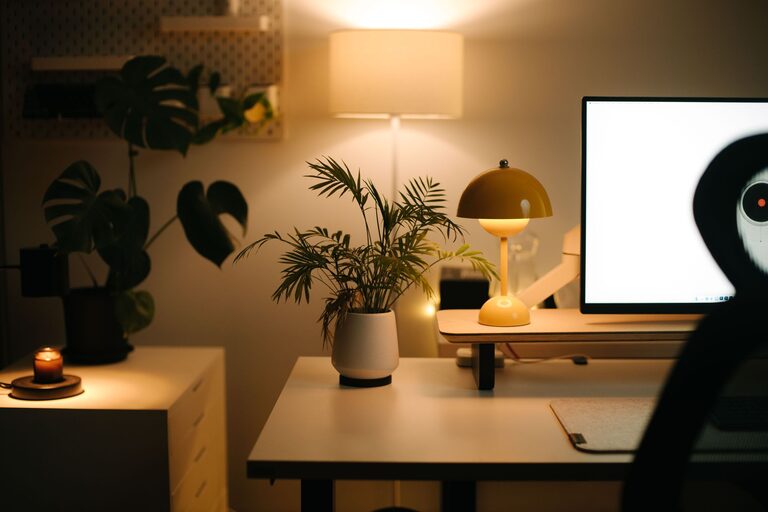
Position your desk near a window if possible. Natural light improves mood and reduces eye strain. If natural light is limited, invest in good quality lighting.
2. Invest in Comfortable Furniture
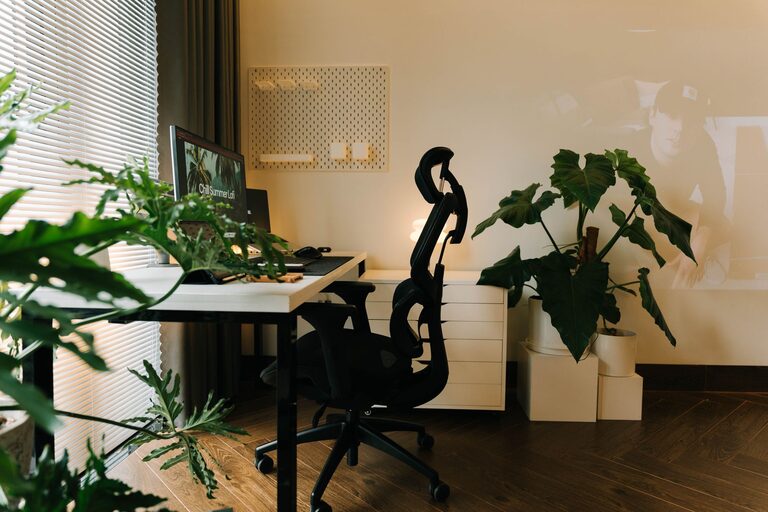
Ergonomic Chair and Desk
Your chair should support your lower back and promote good posture. Pair it with a desk at the right height to avoid strain on your wrists and shoulders.
Adjustable Furniture
Consider an adjustable desk that allows you to alternate between sitting and standing. This helps reduce fatigue and improves circulation.
3. Organize Your Workspace
Declutter Regularly
Keep only essential items on your desk to reduce distractions. Use storage boxes or drawers to organize supplies and paperwork.
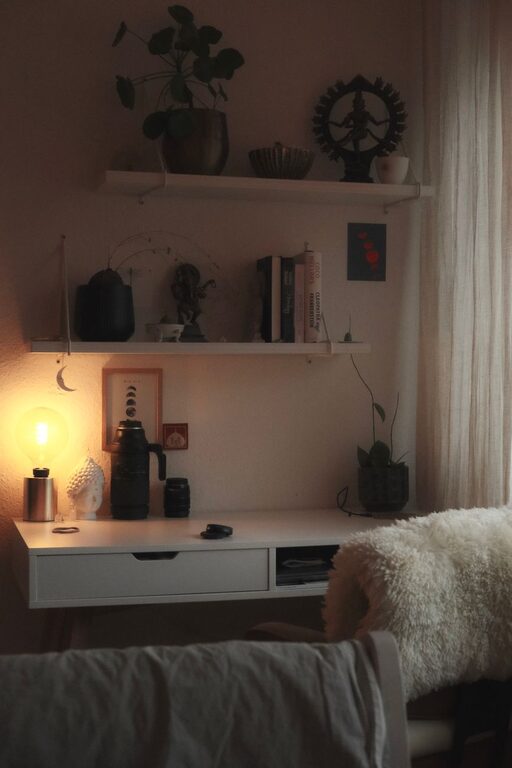
Use Shelving and Containers
Shelves and containers can keep your materials tidy and easy to find, enhancing your focus and saving time.
4. Optimize Technology Setup
Reliable Internet and Equipment
Ensure your internet connection is stable and fast. Invest in a good computer, monitor, keyboard, and mouse to improve your workflow.
Cable Management
Use cable clips or ties to keep wires organized and prevent tangling, making your desk look neat.
5. Personalize to Boost Motivation
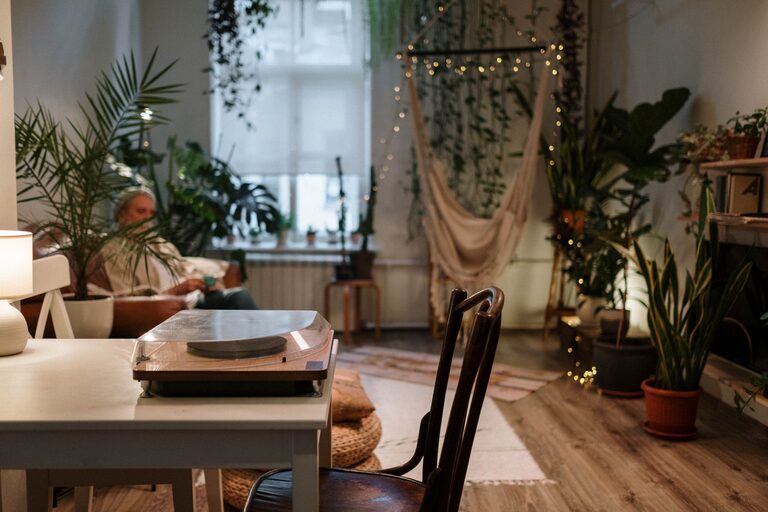
Add Plants
Indoor plants can improve air quality and create a calming atmosphere.
Display Inspiring Items
Photos, artwork, or motivational quotes can brighten your space and keep you inspired.
6. Minimize Distractions
Noise Control
If noise is unavoidable, invest in noise-canceling headphones or play soft background music to maintain concentration.
Set Boundaries
Inform family or housemates of your work hours to minimize interruptions.
7. Establish a Routine
Dedicated Work Hours
Having set starting and ending times helps create a separation between work and personal life.
Take Breaks
Regular breaks enhance productivity and reduce burnout. Use tools like timers to remind yourself to pause and stretch.
Conclusion
Designing a productive home office requires thoughtful planning and commitment to creating a comfortable, organized, and inspiring environment. By selecting the right location, investing in ergonomic furniture, organizing effectively, and managing distractions, you can build a workspace that supports your best work. Remember, small changes can make a big difference in your daily productivity and overall wellbeing.