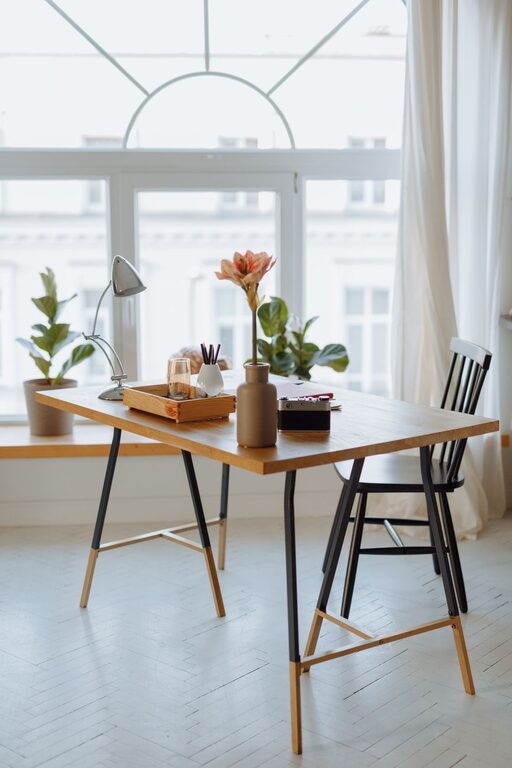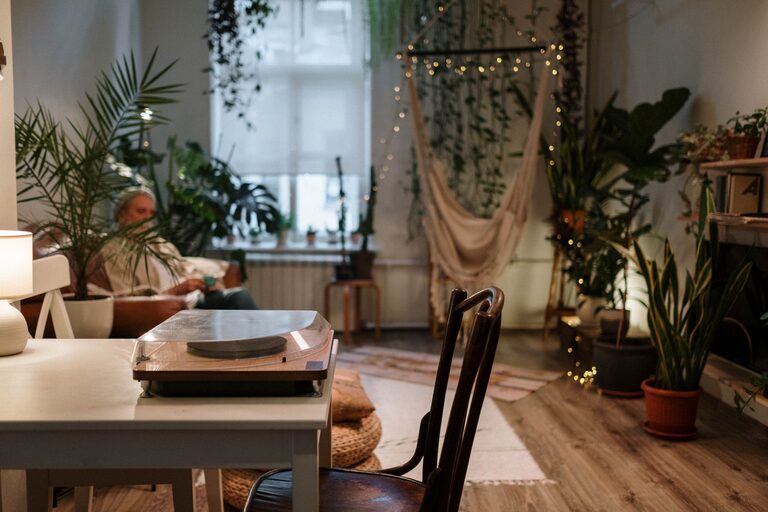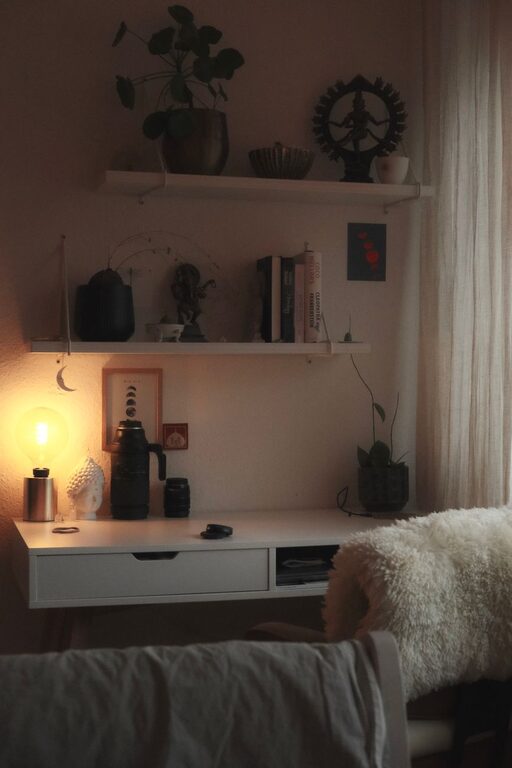
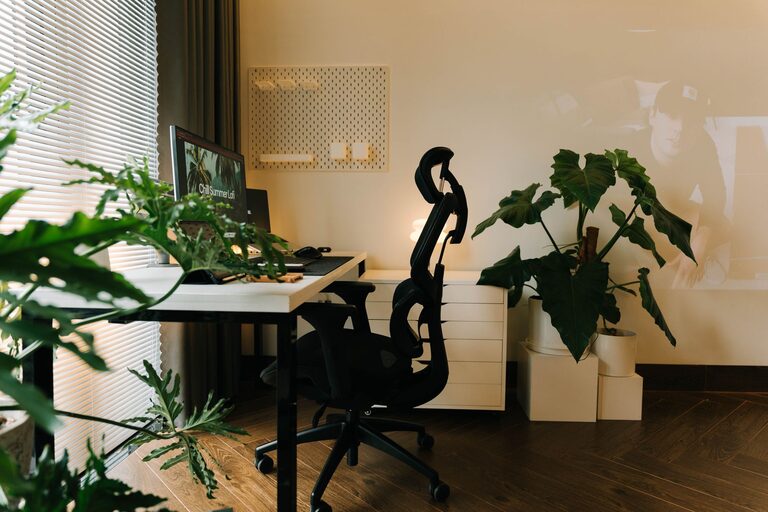
Creating a cozy and inviting home workspace is essential for anyone working remotely or spending significant time on personal projects. A well-designed workspace not only boosts productivity but also enhances your mood and reduces stress. Whether you have a dedicated room or just a small corner, these tips will help you craft a comfortable, inspiring, and functional environment.
Choose the Right Location
Picking the right spot for your home workspace is the first and most important step. Ideally, select a quiet area with minimal distractions and good natural light.
– Natural Light: Position your desk near a window if possible. Natural light improves mood and reduces eye strain. If natural light is limited, choose full-spectrum bulbs that mimic daylight.
– Privacy: Choose a space where you can focus without interruptions. A spare room, a quiet corner, or an unused nook can work well.
– Comfortable Temperature: Make sure the room has good ventilation and a comfortable temperature to keep you focused throughout the day.
Invest in Comfortable Furniture
Comfort is key to staying productive and avoiding fatigue.
– Ergonomic Chair: A supportive chair with adjustable height and lumbar support will keep you comfortable during long hours.
– Appropriate Desk: Choose a desk that fits your space and needs — whether it’s a compact standing desk or a large work table.
– Footrest and Accessories: Consider a footrest, keyboard tray, or monitor stand to maintain healthy posture.
Personalize Your Space
Adding personal touches makes your workspace feel inviting and uniquely yours.
– Decor: Incorporate items you enjoy, like artwork, photos, or plants. Greenery can boost creativity and reduce stress.
– Color Scheme: Use soft, warm colors such as beige, pastels, or light earth tones to create a calm atmosphere.
– Textures: Soft rugs, cushions, or curtains add comfort and warmth to the room.
Organize and Declutter
A tidy workspace helps keep your mind clear and focused.
– Storage Solutions: Use shelves, drawers, or baskets to keep supplies organized and out of sight.
– Cable Management: Use clips or sleeves to tidy up wires and keep your workspace neat.
– Minimalism: Keep only what you use daily on your desk and regularly declutter unnecessary items.
Optimize Lighting
Good lighting can reduce eye strain and improve your overall experience.
– Layered Lighting: Use a combination of ambient, task, and accent lighting. Desk lamps with adjustable brightness are ideal for focused work.
– Avoid Glare: Position screens and lights to prevent reflection and glare on your monitor.
– Warm Light Bulbs: Warm white bulbs create a cozy atmosphere compared to harsh fluorescent lighting.
Create Boundaries Between Work and Relaxation
Separating work from the rest of your home life is important for your mental well-being.
– Defined Workspace: Use a room divider, rug, or furniture arrangement to clearly define your work zone.
– Routine: Start and end your workday by physically sitting down or leaving your workspace.
– Break Area: If space allows, create a small area nearby for breaks, such as a cozy chair or a spot for meditation.
Incorporate Technology Thoughtfully
Technology tools should support productivity without adding clutter.
– Efficient Equipment: Choose devices that meet your work requirements, including a reliable computer, headset, and printer if needed.
– Wireless Options: Wireless keyboards, mice, and headphones can reduce cable clutter.
– Backup and Charging: Set up an accessible charging station and backup system to keep devices powered and data safe.
Add Comfort Elements
Small comfort details can make your workspace feel welcoming.
– Soft Throws or Blankets: Keep a cozy blanket nearby for chilly days.
– Scent and Sound: Use a diffuser with your favorite essential oils or a white noise machine to create a soothing atmosphere.
– Hydration and Snacks: Keep a water bottle and healthy snacks within reach to stay energized throughout the day.
Maintain and Refresh Your Space
A workspace needs regular care to stay functional and pleasant.
– Daily Cleanup: Take a few minutes each day to organize and tidy up.
– Seasonal Refresh: Change decorations or rearrange furniture seasonally to keep the space feeling fresh and inspiring.
– Ergonomic Check: Regularly assess furniture ergonomics and adjust as needed.
—
Creating a cozy and inviting home workspace is all about balance: combining comfort, functionality, and personal style to foster productivity and well-being. By following these tips, you can design a home office where work feels less like a chore and more like an enjoyable part of your daily routine.