
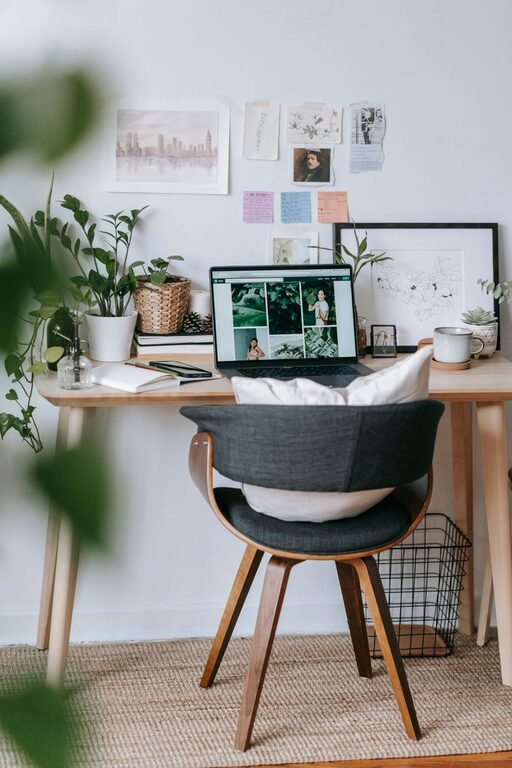
Creating a cozy and inviting home office space can transform your work routine, making daily tasks more enjoyable and helping you stay focused. With more people working remotely, having a comfortable and personalized workspace is essential. Whether you have a dedicated room or just a small corner, these tips will help you design a home office that feels both productive and welcoming.
Why a Cozy Home Office Matters
A workspace that feels inviting can reduce stress and increase motivation. When your environment is comfortable, you’re more likely to want to spend time there, which can improve your efficiency and creativity. A well-designed home office can also help you maintain a work-life balance by clearly defining where work happens.
1. Choose the Right Location
Consider Natural Light
Whenever possible, set up your office near a window to take advantage of natural light. Sunlight boosts mood and reduces eye strain. If natural light is limited, invest in good artificial lighting such as adjustable desk lamps and overhead lights that mimic daylight.
Pick a Quiet Spot
Try to find a space away from busy areas of your home. This helps minimize distractions like noise and foot traffic, making it easier to concentrate during work hours.
2. Invest in Comfortable and Functional Furniture
Ergonomic Chair
A chair that supports good posture is key, especially if you spend long hours at your desk. Look for one with adjustable height, lumbar support, and comfortable cushioning.
Desk That Fits Your Needs
Choose a desk that fits your space and work style. If you need room for multiple monitors or writing, a larger desk is better. For smaller spaces, compact desks or foldaway options work well.
Add a Footrest
If your feet don’t comfortably reach the floor, a footrest can reduce strain on your legs and back, improving circulation and comfort.
3. Personalize Your Space
Use Calming Colors
Colors can impact your mood and focus. Soft blues, greens, or neutrals create a calming atmosphere. You can paint a wall, add colorful accessories, or bring in artwork to introduce your favorite hues.
Add Plants
Plants improve air quality and bring life to any room. Small potted plants or succulents are low-maintenance options that add a touch of nature.
Incorporate Personal Items
Photos, inspirational quotes, or souvenirs make the space uniquely yours. Just avoid cluttering your desk to keep the area neat.
4. Organize with Purpose
Declutter Regularly
A tidy workspace helps you focus. Use trays, file organizers, or drawer dividers to keep essentials in order and reduce distractions.
Storage Solutions
Invest in shelves, cabinets, or baskets to store supplies when not in use. Label containers for easy access and to maintain order.
Cable Management
Use cable clips or sleeves to keep cords untangled and out of sight. This not only looks better but also prevents tripping hazards or damage to electronics.
5. Optimize Lighting for Comfort and Productivity
Layer Your Lighting
Combine overhead lighting with task lighting like desk lamps. Adjustable lamps help reduce glare on screens and prevent eye fatigue.
Use Warm or Neutral Bulbs
Avoid overly harsh or cool white lights, which can cause discomfort. Warm or neutral tones create a relaxing environment conducive to work.
6. Incorporate Technology Thoughtfully
Invest in Quality Equipment
Using reliable devices such as a good monitor, keyboard, and mouse can improve efficiency and reduce frustration.
Keep Cords Managed
As previously mentioned, cable organization helps keep your space tidy and functional.
Use Noise-Cancelling Headphones
If noise is an issue, headphones can create a focused sound environment.
7. Create Boundaries Between Work and Relaxation
Design your office space to feel separate from your personal areas. Using a room divider, different rugs, or specific lighting can signal when it’s work time versus relaxation time.
8. Add Comfort with Textiles and Accessories
Soft Rugs or Cushions
A cozy rug underfoot or cushions on your chair make the space more comfortable and inviting.
Blankets or Throws
Especially in cooler months, having a soft throw nearby adds warmth and encourages a cozy atmosphere.
Aromatherapy
Consider a diffuser with mild scents like lavender or eucalyptus to promote calmness and focus.
Final Thoughts
Designing a cozy and inviting home office doesn’t require a big budget or lots of space. Small changes like adding plants, improving lighting, and organizing your desk can make a significant difference. Remember that your workspace should reflect you and support your way of working. By creating an environment you enjoy, workdays can become more productive and pleasant.
Take your time experimenting with different setups until you find what works best. The goal is a healthy balance of comfort and focus—your perfect home office awaits!